
2026 Annual Meeting Guest Speakers
Educational Session 1: Washington Update: Federal Policy Shaping Psychiatric Practice
About this Session: A review of recent federal legislative and regulatory actions affecting psychiatric practice, including developments in reimbursement, behavioral health coverage, mental health parity enforcement, telehealth policy, and workforce initiatives. Discussion will also address key administrative decisions shaping the current regulatory environment, as well as potential congressional action following the midterm elections and implications for future federal health policy. The focus will be on how these changes may affect psychiatric practice operations, compliance requirements, and care delivery.
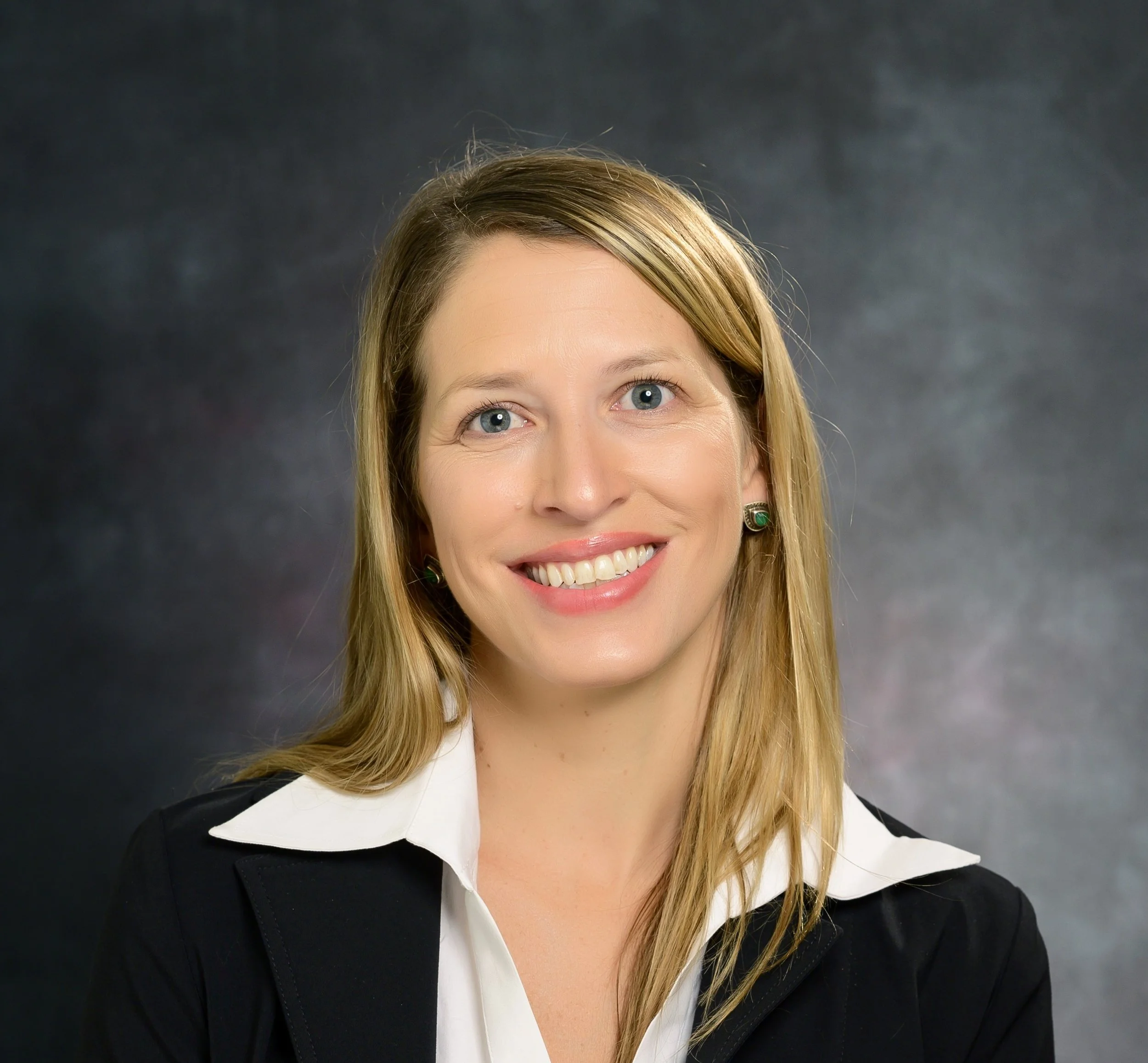
Brooke Trainum, JD
Senior Director, Practice Policy, American Psychiatric Association
Brooke leads the development and execution of federal policy and regulatory strategies at APA on care delivery, models of care, and technology innovation. Prior to joining APA, she was the Director of Policy and Regulatory Advocacy at the American Nurses Association. She holds a Juris Doctor with a specialization in International Health Law from the University of Denver, Sturm College of Law, and a Bachelor of Science in Dietetics from Virginia Tech.
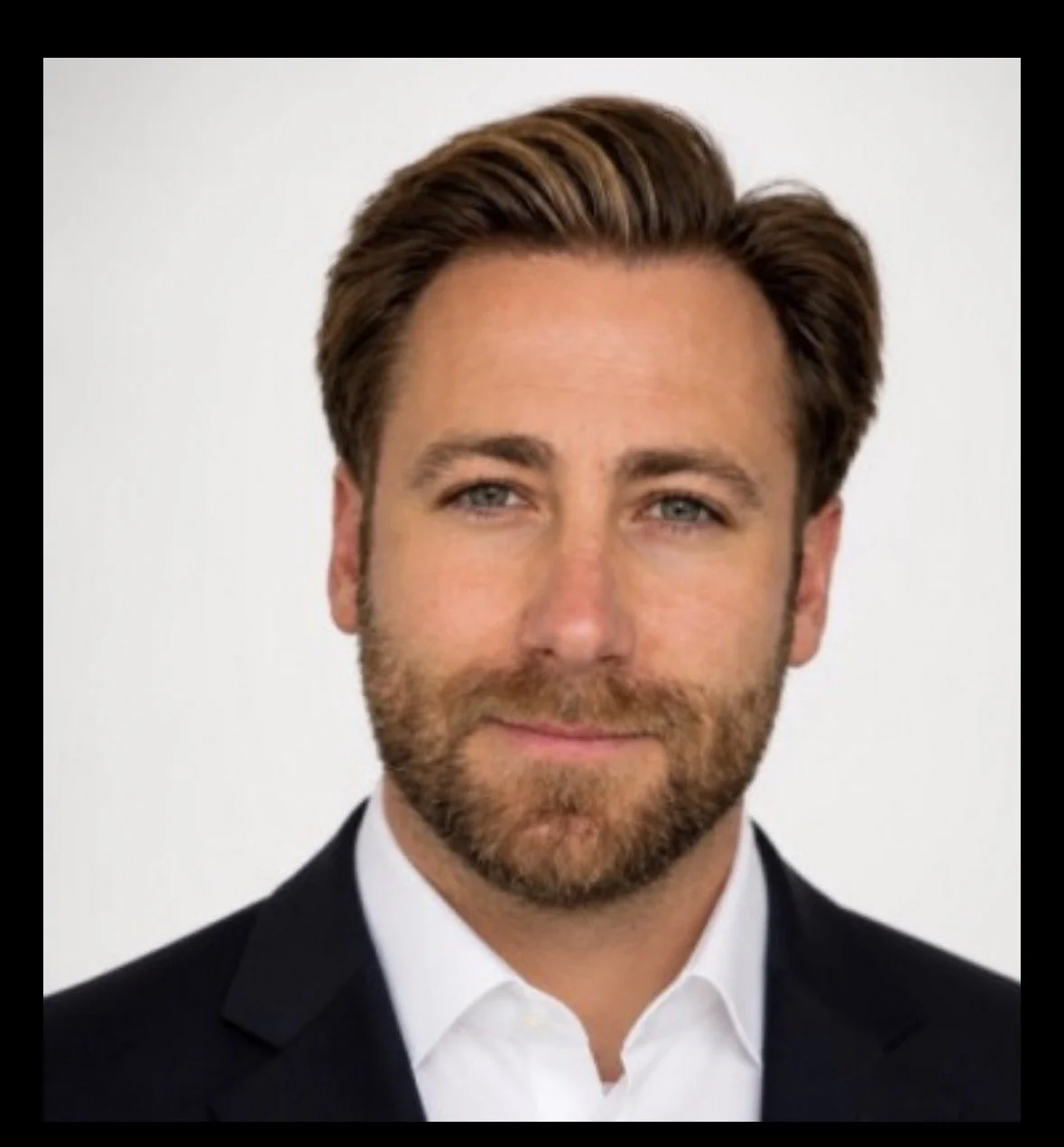
Trip Stanford
Director, Federal Relations, American Psychiatric Association
Trip works to develop and executive federal legislative and advocacy strategies at the APA, with a focus on advancing policy priorities that support psychiatrists and the patients they serve. Prior to joining APA, he served as Director of Government Relations for the North American Spine Society (NASS) and managed one of the nation’s largest political action committees at the Associated Builders and Contractors (ABC). He holds a Master’s degree in Legislative Affairs from The George Washington University and a Bachelor’s degree in Political Science from Dickinson College.
Educational Session 2: ELIZA for the 21st Century: Promise and Perils of AI in Psychiatric Practice
About this Session: This talk will present the perils and promise of AI in psychiatric practice with a discussion of whether AI represents a net benefit or net harm for mental health.

Olu Ajilore, MD, PhD,
UI Center for Depression and Resilience Professor of Psychiatry, University of Illinois College of Medicine
Dr. Ajilore is the Center for Depression and Resilience Professor in the Department of Psychiatry at the University of Illinois-Chicago. He graduated magna cum laude from Harvard University with a degree in biology. Dr. Ajilore did his MD/PhD degree at Stanford University where he studied the negative effects of stress hormones on the brain. His lab currently uses computational neuroimaging techniques and digital biomarkers to better track and treat neuropsychiatric disorders. Dr. Ajilore is also serves as the Associate Head for Faculty Development, director of the UICOM Medical Scientist Training Program, the director of the Mood and Anxiety Disorders Program and as a member of the National Advisory Mental Health Council for NIMH.
Educational Session 3: Integrating Neuroscience into Clinical Psychiatry
About this Session: Rapid advances in 21st century neuroscience have revolutionized a scientific understanding of psychiatric disorders, yet clinical psychiatry remains stuck in habits formed in the 20th century. This session will introduce modern educational resources essential to bridging this gap — assisting clinicians in integrating neuroscience into their daily work with patients and their families.

Joseph J. Cooper, MD, FANPA
Prof. Clinical Psychiatry, Vice Chair for Education, Director of Residency Training, & Director of the Behavioral Neurology & Neuropsychiatry Fellowship in the Dept. of Psychiatry at the University of Illinois at Chicago
Joseph J. Cooper, MD serves as Professor of Clinical Psychiatry, Vice Chair for Education, Director of Residency Training and the Director of the Behavioral Neurology & Neuropsychiatry Fellowship in the Department of Psychiatry at the University of Illinois at Chicago. He completed his undergraduate degree in neuroscience at Johns Hopkins University, medical school and residency in Psychiatry at the University of Chicago, and fellowship in Behavioral Neurology & Neuropsychiatry at Northwestern University. He is a Fellow of the American Neuropsychiatric Association, Co-Chair of the National Neuroscience Curriculum Initiative (NNCI), and Co-Chair of the Advocacy Committee of the International Society for ECT and Neurostimulation. His interests include integrating neuroscience and neuropsychiatry into general psychiatric education, understanding disorders at the interface of psychiatry and neurology, and using electroconvulsive therapy to treat severe neuropsychiatric disorders.
Educational Session 4: The Evolving Therapeutic Role of Psychedelics in Psychiatric Conditions: Current Data, Mechanism of Action, Multi-disciplinary Model, and Role in Clinical Practice
About this Session: Review the current data and multi-dimensional model of mechanism of action on the use of psychedelics in the management of psychiatric conditions. The potential challenges and clinical use will also be discussed as these treatments are introduced in clinical practice
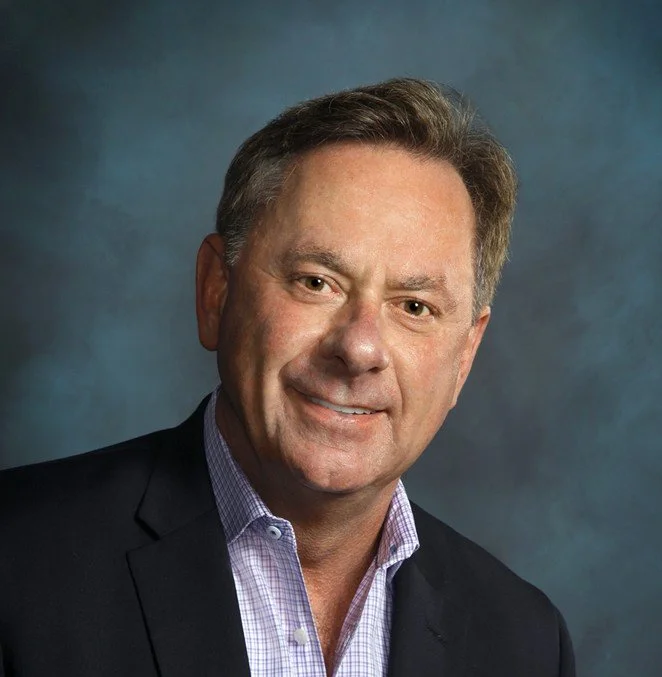
John Zajecka, MD
Professor of Psychiatry, Rush University Medical Center, Director, Rush University Woman’s Board Depression Treatment Research Center, Co-founder and current Managing Member of Psychiatric Medicine Associates, LLC
Dr. John Zajecka has been a faculty member in the Department of Psychiatry at Rush University since 1988 and is currently a Professor of Psychiatry, and the Director of the Woman’s Board Depression Treatment and Research Center. He has also been in private practice since 1988 and is currently the Managing Member of Psychiatric Medicine Associates, LLC in Skokie, Illinois.
He completed his undergraduate studies at Marquette University and earned his MD at Loyola University Chicago Stritch School of Medicine, followed by his internship and psychiatric residency training at Rush University.
Dr. Zajecka’s expertise is in the management of depression, bipolar disorder, and anxiety disorders. He has been the principal investigator in over 100 clinical research trials and has received funding from the National Institute of Mental Health, pharmaceutical/biotechnology industry, and private foundations. He has published extensively on diagnosis, novel treatment approaches, and long-term outcomes in affective disorders, with a special interest in the management and prevention of treatment resistant illness.
He was one of the primary investigators in a recently completed 3-site, NIMH-funded study over ten years focusing on the prevention of recurrence following remission and recovery in recurrent and chronic major depression using a personalized pharmacological approach to treatment and assessing the impact of cognitive behavioral therapy on long-term recovery. He has also been an investigator in the pivotal trials of novel treatments for treatment-resistant mood disorders, including esketamine, Vagal nerve stimulation, and psychedelics.
Dr. Zajecka founded the Cheryl T. Herman Foundation, which was formed to provide innovative educational and research opportunities to the community toward improving outcomes for individuals impacted by affective disorders.
He serves on the scientific advisory boards for the National Depression and Bipolar Support Alliance, the American Foundation for Suicide Prevention, and previously served as the Chairman of the Scientific Advisory Board for the Obsessive-Compulsive Foundation of Chicago and past President of the Midwest Chapter of the American Foundation for Suicide Prevention.
He also serves as a scientific consultant/advisor and member of data safety and monitoring committees for pharmaceutical companies.
Dr. Zajecka has received several awards for his research, community service, and teaching, including the Upjohn Young Investigators Award for Psychiatric Research and received the Special Recognition Award for Training Psychiatric Residents for several years at Rush University.