
Electronic Spring 2026 | Issue 66
Finding Community in Collaborative Care
By: Madeline Schmiedeknecht, MD; Resident
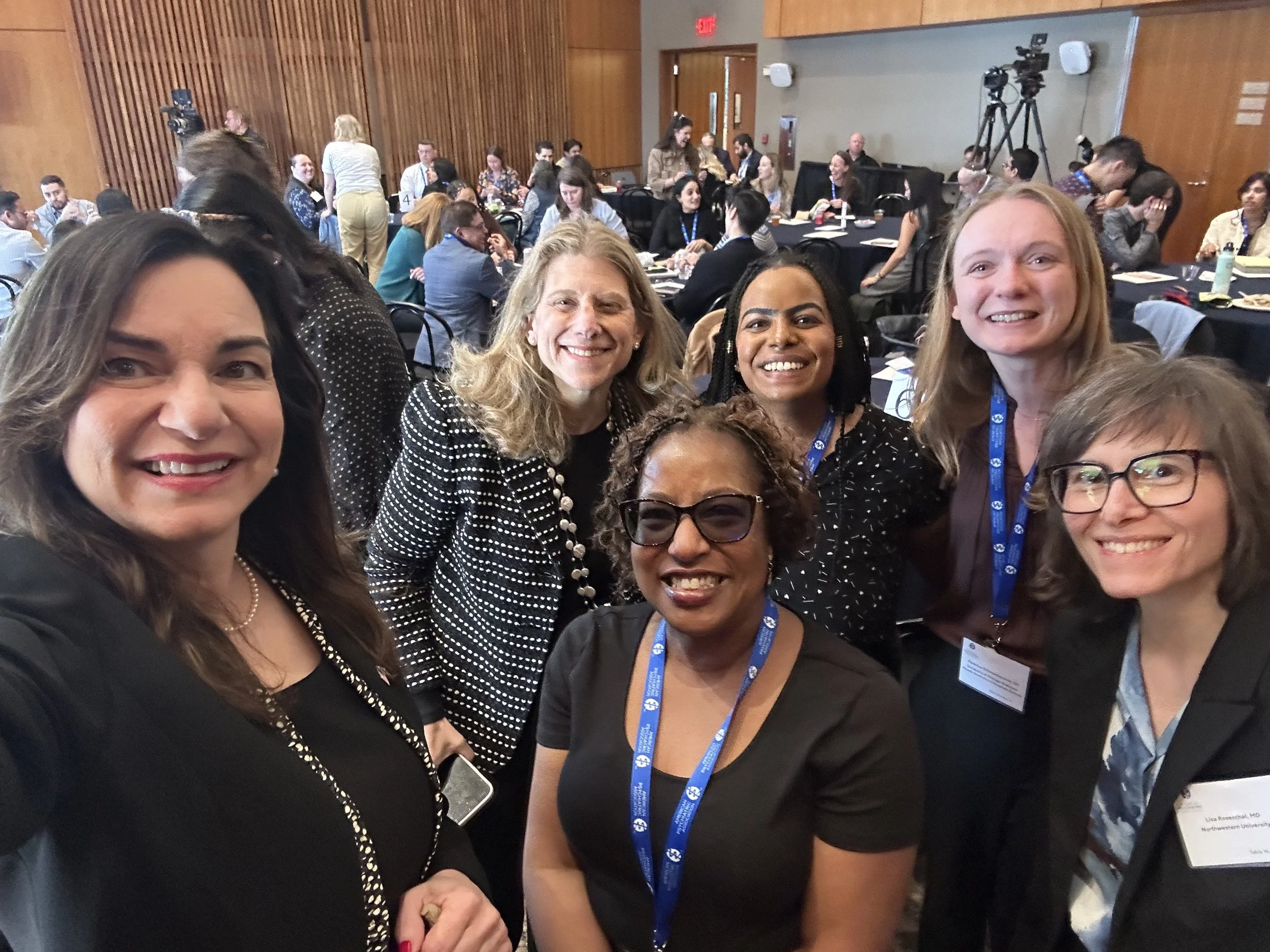
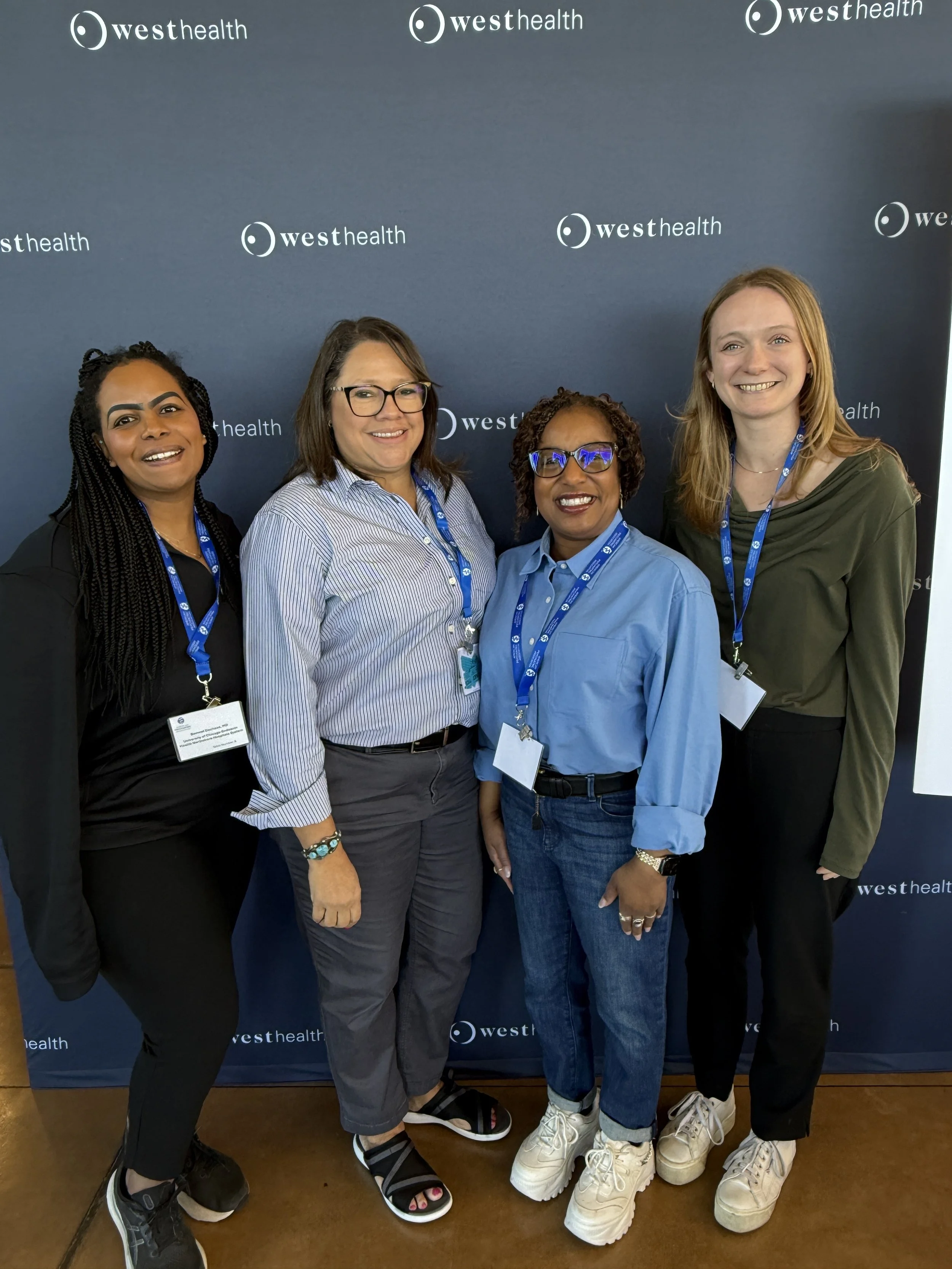
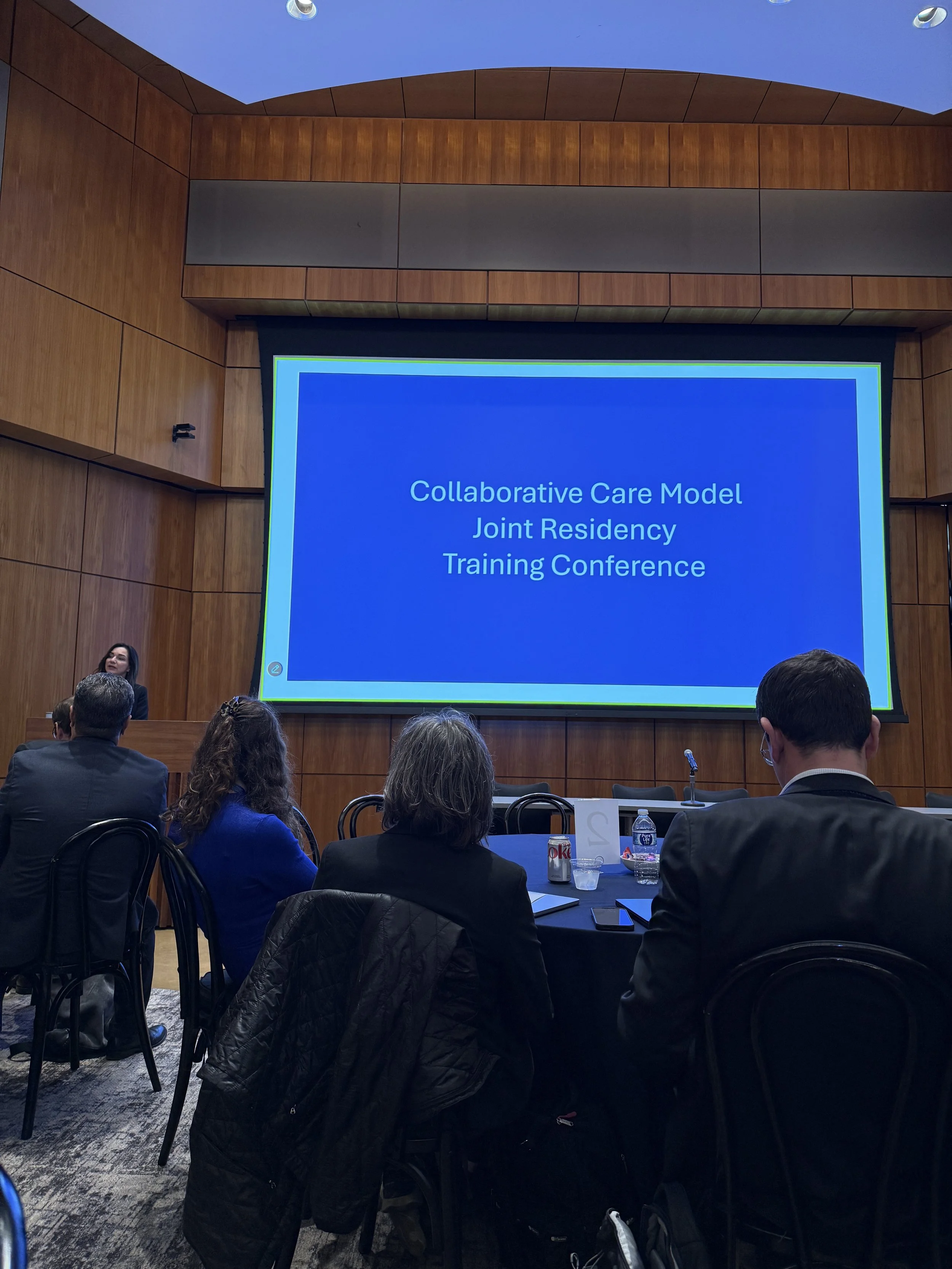
Access to mental health care remains one of the defining challenges in our field. At the Collaborative Care Conference hosted by the American Psychiatric Association (APA), I saw how thoughtful partnership can help address that challenge in meaningful ways. As a psychiatry intern, attending the APA's Collaborative Care Conference was both grounding and invigorating. What I anticipated would be a technical learning experience became something more—a reminder of the passion and community within our profession. Looking around the room, I was struck by the strong network committed to advancing psychiatric care. As a trainee, it’s easy to feel overwhelmed in this field, so witnessing such a collaborative and mission-driven community was deeply reassuring—there was no sense of competition, only a shared commitment to improving mental health care.
The enthusiasm of our primary care colleagues was equally inspiring. Collaborative Care is not solely a psychiatric endeavor; it is rooted in interdisciplinary collaboration. Seeing family and internal medicine providers invested in mental health outcomes reinforced a vital truth: meaningful systems change happens when we move beyond professional silos. Mental health care becomes more accessible, normalized, and sustainable when it is woven into the broader fabric of healthcare.
From a clinical perspective, the Collaborative Care Model (CoCM) offers a practical response to our access crisis. By positioning the psychiatrist as a consultant guiding a primary care team, the model allows us to extend our expertise across a larger caseload than would be possible through direct appointments alone. Treating mild-to-moderate conditions in primary care reduces bottlenecks and shortens specialist waitlists for those who need them most. In this way, CoCM serves as a clinical “multiplier,” supporting population-level mental health while ensuring complex cases still receive individualized care.
While the practical lessons were valuable, the most meaningful takeaway was the normalization of setbacks. Speakers candidly discussed implementation challenges—from reimbursement barriers to the logistics of building and funding a team. Their honesty reframed my own discouragement when obstacles arise, helping me see setbacks as an expected part of meaningful change. The programs that now serve as national models were not built without difficulty; their success reflects perseverance as much as innovation.
Ultimately, what stayed with me most was not only the CoCM model, but the passionate community psychiatry trainees are entering. The message was simple: if you are committed to improving mental health care, you are not alone. There is a community, infrastructure, and mentorship network ready to support you. I left the conference better informed, more connected, and proud to be part of a field united in advancing mental health care.