
Electronic Spring 2026 | Issue 66
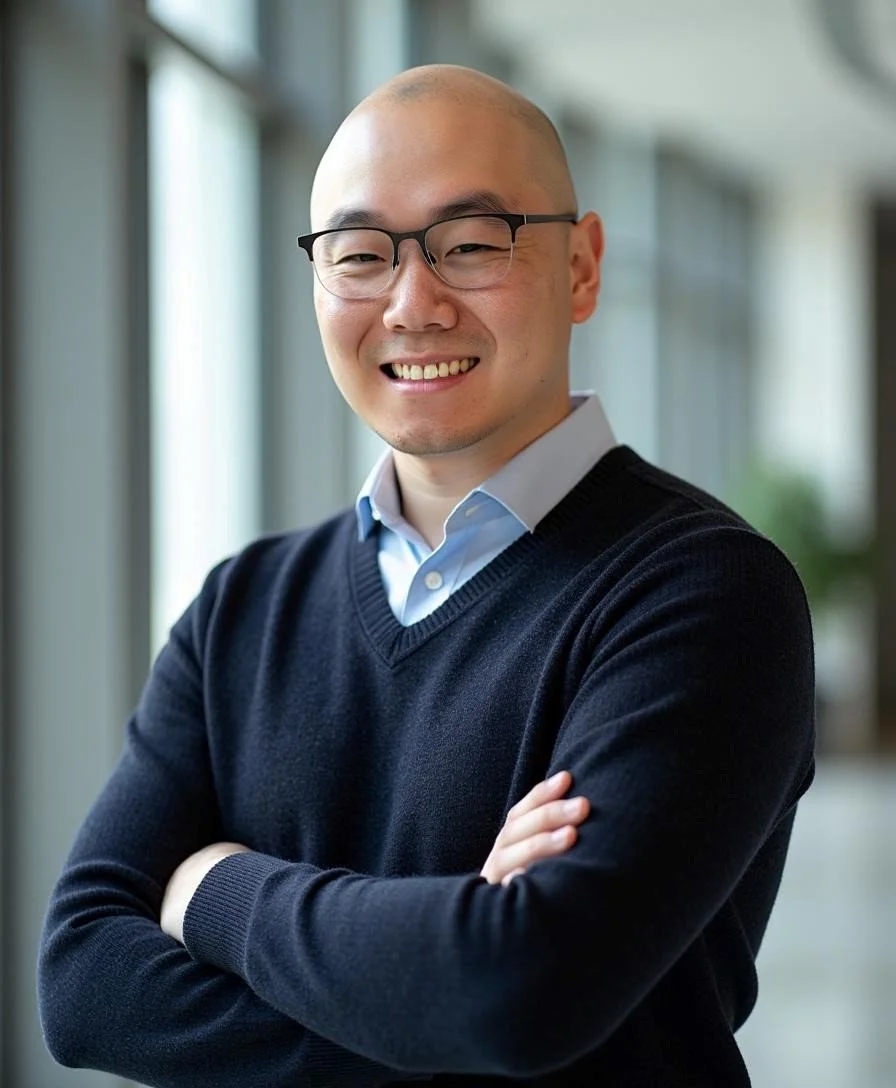
Member Spotlight: Shin Lee, MD Clinical Assistant Professor, Department of Psychiatry
Interview conducted by Dr. Sudhakar Shenoy, MD
In this edition of the Member Spotlight, IPS Early Career Psychiatrist Dr. Sudhakar Shenoy interviews Dr. Shin Lee, Clinical Assistant Professor in the Department of Psychiatry at the University of Illinois College of Medicine and founder of TheoMind Psychiatry, PLLC. Dr. Lee’s journey spans immigration, academic psychiatry, safety-net hospitals, and private practice, with a strong commitment to culturally sensitive, whole-person care.
________________________________________
1. Dr. Shenoy: Dr. Lee, it’s great to meet you, and thank you for taking the time to do this interview for the Illinois Psychiatric Society’s newsletter, Mind Matters. Let’s start with your background. Where did you grow up, and what led you to medicine?
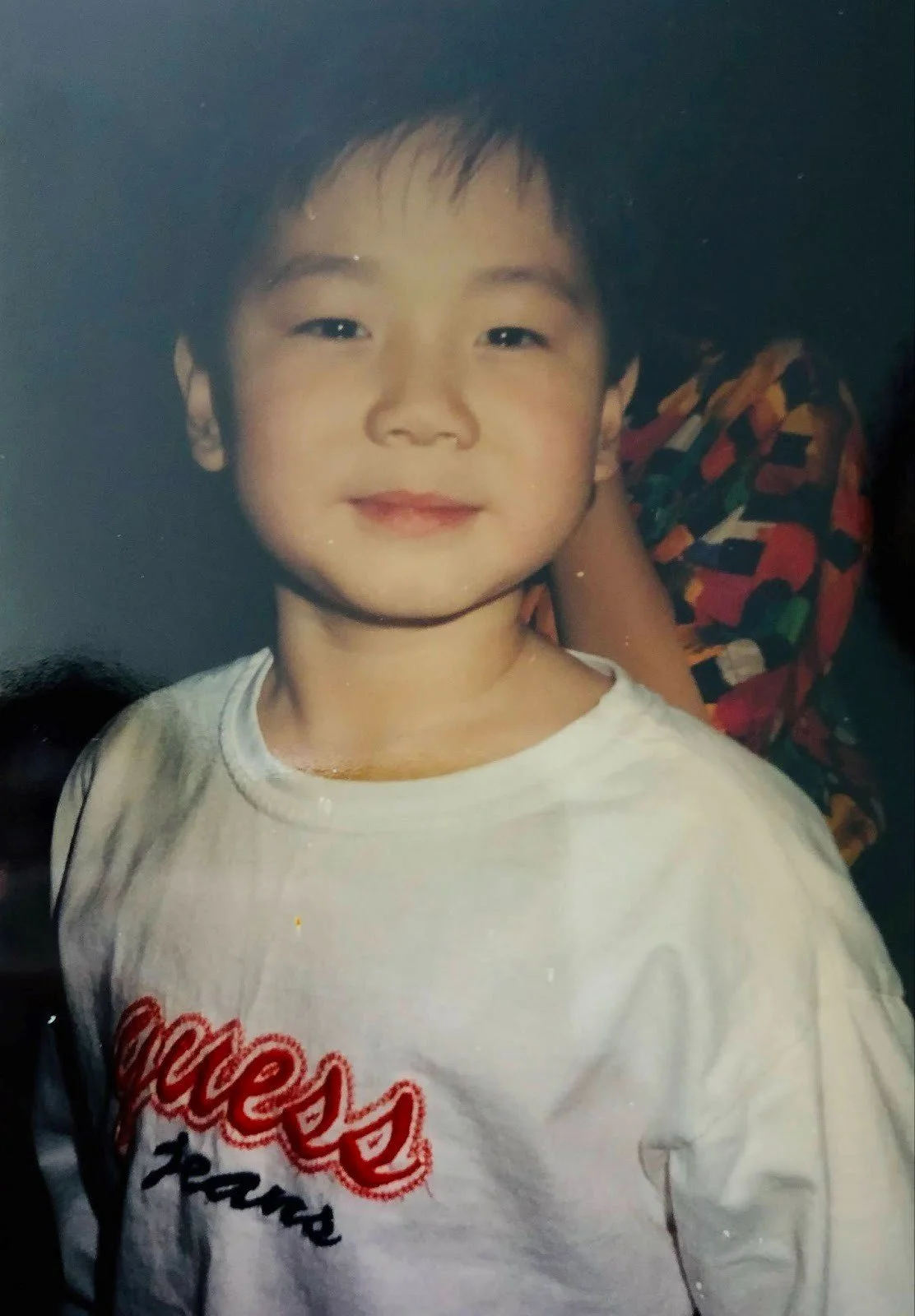
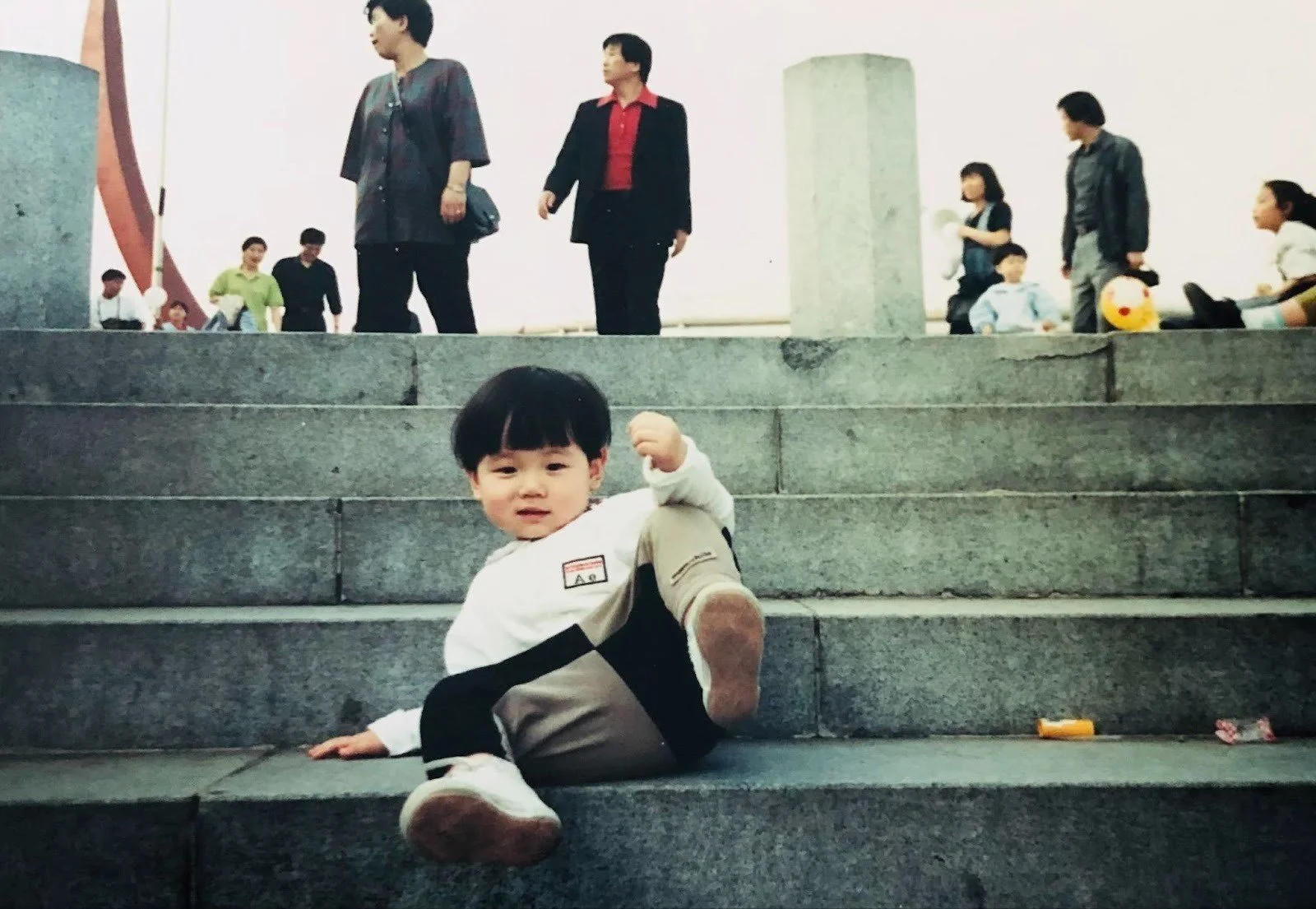
Dr. Lee: Thank you for having me. I was born in South Korea and lived there until about fifth grade, when my family immigrated to the United States following the economic crisis associated with the International Monetary Fund. We moved to Illinois, and I grew up in the suburbs. During that time, I received a tremendous amount of support from the Korean American community in Illinois. That support played a major role in shaping who I am today and made it possible for me to pursue higher education.
________________________________________
2. Dr. Shenoy: Where did you go to college, and what did you study? Where did you attend medical school and residency?
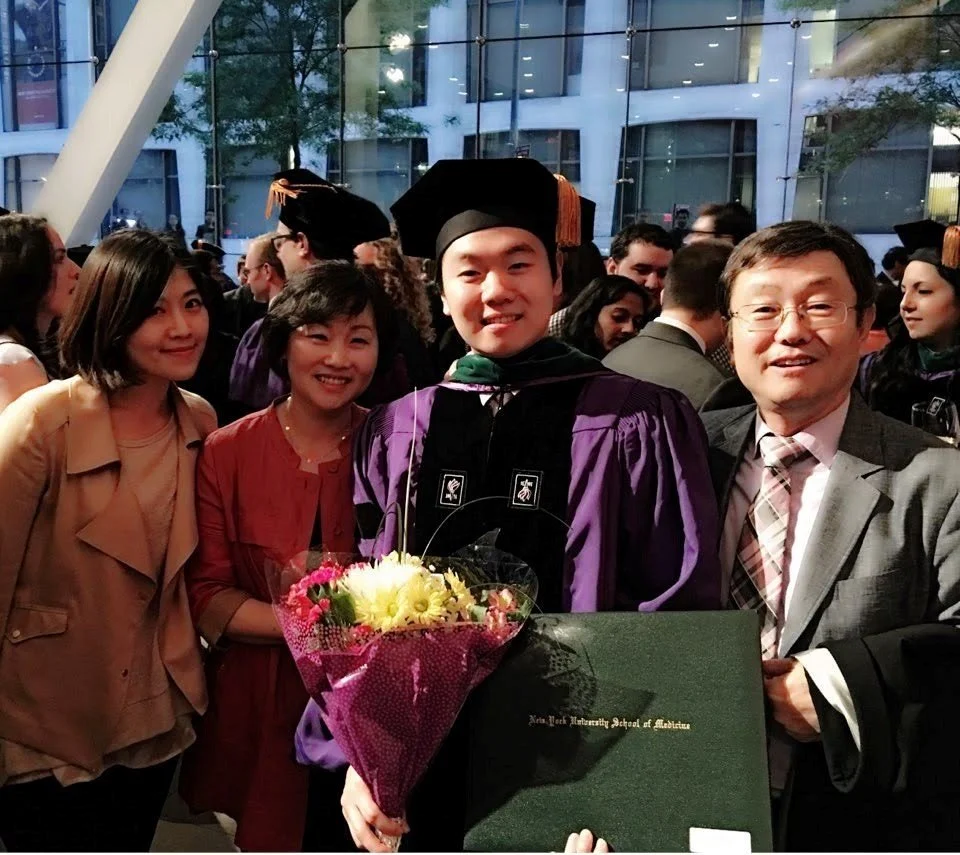
Dr. Lee: I attended the University of Illinois at Urbana-Champaign, where I majored in chemistry. I had strong interests in science, the human body, and how the mind works, which naturally led me toward medicine. I went to medical school at New York University Grossman School of Medicine and completed my psychiatry residency at the Icahn School of Medicine at Mount Sinai in New York.
________________________________________
3. Dr. Shenoy: Were you the first physician in your family? And what motivated you to pursue medicine?
Dr. Lee: Yes, I’m the first physician in my family. I always felt a strong desire to give back to the communities that supported me growing up, particularly the Korean-American community. Because I had received so much help and encouragement along the way, I felt medicine was the most direct and meaningful way to serve others in need. I was also deeply interested in the connection between the human body and the mind, which eventually drew me toward psychiatry.
________________________________________
4. Dr. Shenoy: You’ve practiced psychiatry in New York, New Jersey, and Illinois. How have those experiences shaped your clinical perspective?
Dr. Lee: New York was an incredibly formative place to train and practice because of its diversity. I treated patients across the socioeconomic spectrum, from individuals in Harlem and safety-net hospitals to CEOs, artists, and professionals in Union Square. After residency, I practiced outpatient psychiatry in suburban New Jersey, and later worked in inpatient safety-net hospitals in Queens, New York, and in Illinois. These experiences reinforced how social determinants, immigration status, and access to care profoundly influence mental health. Working with uninsured and marginalized populations has been especially meaningful to me.
________________________________________
5. Dr. Shenoy: You’re also involved in teaching and academia. Can you tell us more about that role?
Dr. Lee: Teaching has always been important to me. I currently serve as voluntary and adjunct faculty at both the University of Illinois College of Medicine and Loyola University Chicago Stritch School of Medicine. I teach medical students and supervise psychiatry residents, particularly in safety-net hospital settings. I’ve also taught and supervised trainees in New York and New Jersey. In many cases, a psychiatry rotation with me may be a student’s only exposure to the field, and I’ve been fortunate to see some of those students go on to choose psychiatry as a career. That’s incredibly rewarding.
________________________________________
6. Dr. Shenoy: Let’s talk about your clinical interests. What patient populations or conditions are you most drawn to?
Dr. Lee: My clinical focus is on severe mental illness, including psychotic disorders, bipolar disorder, treatment-resistant depression, personality disorders, and substance use disorders. These patients often face not only psychiatric symptoms but also significant socioeconomic challenges that worsen their illness. I find it deeply fulfilling to help patients through those difficult periods and, when possible, pull them out of that vicious cycle.
________________________________________
7. Dr. Shenoy: You’ve often spoken thoughtfully about polypharmacy in vulnerable populations. Can you expand on that?
Dr. Lee: Polypharmacy is a significant issue in psychiatry. With proper training and careful medication management, much of it can be avoided. Unfortunately, patients with severe mental illness, especially those in lower socioeconomic groups, often receive care from providers without specialized psychiatric training. This can lead to medication regimens that are ineffective, counterproductive, or harmful over time. In both my inpatient work and private practice, I focus on deprescribing unnecessary medications and optimizing essential treatments, which improves outcomes and reduces long-term morbidity.
________________________________________
8. Dr. Shenoy: Shifting gears a bit - tell us about your life outside of medicine. How do you decompress?
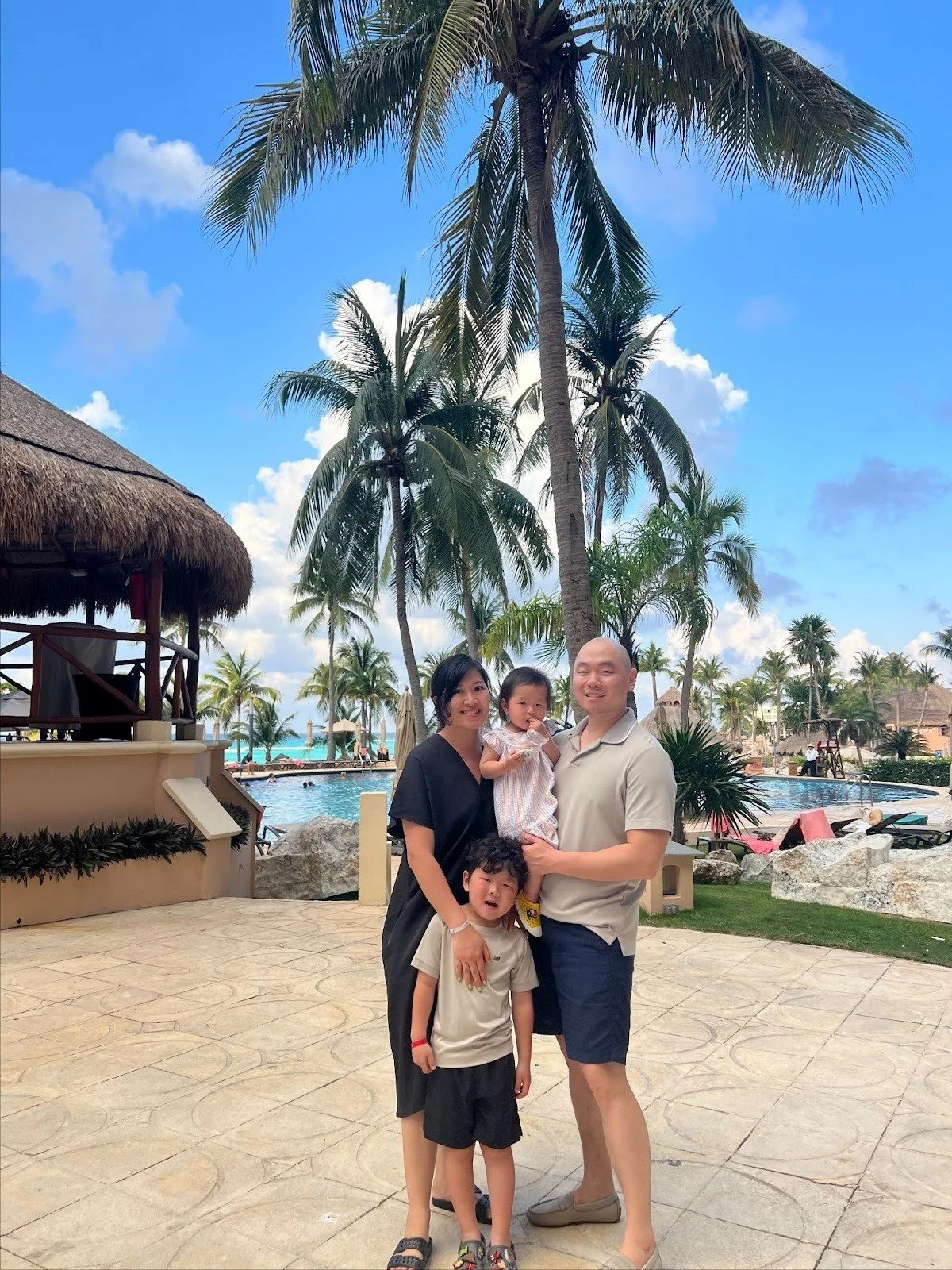
Dr. Lee: I’m married to a wonderful wife, and we have two amazing children. I’m very active in a local Korean-American church and volunteer at food pantries. I also serve as a singer and guitar player in worship and praise bands. Giving back to the community in these ways helps me manage the stress of clinical work and keeps me grounded. I also enjoy watching soccer and the NFL. Our family recently watched the LAFC vs Inter Miami game in LA.
________________________________________
9. Dr. Shenoy: That balance is so important. How do you personally maintain perspective in such a demanding profession?
Dr. Lee: One concept I often draw from is gratitude. I regularly remind myself of what I’m thankful for and try to view even stressful work as a gift, because it allows me to serve others. That mindset helps me stay empathetic and present, both at work and at home.
________________________________________
10. Dr. Shenoy: What advice would you give to medical students, residents, fellows, and early career psychiatrists?
Dr. Lee: I think it’s important to remember how difficult it is for patients to open their lives to a complete stranger. It’s truly a privilege to be trusted with their stories. Approaching that role with humility and gratitude helps preserve empathy over time and allows us to continue serving patients with compassion.
________________________________________
11. Dr. Shenoy: Finally, how has your experience been with the Illinois Psychiatric Society?
Dr. Lee: I’ve found IPS to be very active and effective in advocacy and community building. I enjoy reading the newsletters and staying informed through their communications. I’ve attended meetings of the Early Career Psychiatrists Committee and found it to be a cohesive, supportive group. The ECPs WhatsApp group has been especially helpful for connecting with colleagues and exchanging ideas. As someone who recently opened a private practice, I’m very interested in becoming more involved with the Private Practice Committee and attending the IPS Annual Meeting to connect with psychiatrists across Illinois.
________________________________________
Dr. Shenoy: Thank you, Dr. Lee, for sharing your journey and insights. We appreciate your dedication to patient care, education, and service to the psychiatric community in Illinois.